GameStop is buying
eBay because of cards
An $11B store. A $46B marketplace. One hobby.
The Wall Street Journal reported yesterday that GameStop is preparing a formal offer to acquire eBay.
GameStop is worth $11.8 billion. eBay is worth $46 billion. The smaller is reportedly buying the larger. eBay shares jumped 15% in after-hours trading. Neither company has commented.
The deal might not happen. But the fact that it's being seriously discussed at all is one of the strangest things to happen in retail this decade — and the reason behind it is, almost entirely, Pokémon cards.
What GameStop has become
In fiscal year 2025, GameStop made over a billion dollars in collectibles revenue. That category — Pokémon cards, sports cards, figures, merchandise — is now 29.2% of total company sales. Collectibles outsold video game software for the first time in the company's history.
The growth rate is the part that's hard to wrap your head around. Q1 2025: collectibles up 54% year-over-year. Q2: up 63%. Q3: up 49%. The trend has not slowed once.
GameStop, in 2026, is not really a video game store anymore. It is a trading card store with some video games on the wall.
What eBay has been quietly building
Trading cards have driven eBay's GMV growth for eleven straight quarters. Pokémon GMV specifically saw triple-digit year-over-year growth for three consecutive quarters. The platform tracks more than $290 million in card sales every month — more than Fanatics, Goldin, and Alt combined.
eBay quietly bought TCGPlayer in 2022. Goldin Auctions in 2024. Its CEO, on the most recent earnings call, called collectibles "the largest contributor to growth." The stock is at all-time highs.
eBay, the dot-com era's biggest survivor, is having its strongest decade since 2001 — and the engine is trading cards.
Why the deal makes sense
A collector with a Pokémon card to sell has two real options: list it on eBay and wait, or take it to a GameStop and walk out with cash. Both companies are competing for the same dollar. Whoever combines them owns the trading card market outright.
GameStop has thousand-plus storefronts and in-store grading. eBay has the marketplace, the auction infrastructure, and the data on what every card has ever sold for. Smashed together, you'd have something no startup could replicate from scratch — supply chain, retail footprint, authentication, marketplace, auction house, and pricing data, all under one roof.
It would also be the largest single bet anyone has ever made on the long-term durability of Pokémon TCG.
What it means for collectors
In the short term, nothing changes. Mergers this size take a year to close. Brands stay separate. Prices stay the same.
In the medium term, a combined GameStop-eBay would have unprecedented visibility into the secondary market. Today you have to check TCGPlayer, eBay sold listings, Cardmarket, PriceCharting, and Goldin separately because no single platform sees the whole picture. A merged company would basically be the whole picture for North American Pokémon — which means its prices would become the prices, in a way no single platform's data has ever quite been before.
In the long term, the question gets more interesting: every previous time a collectibles category got "discovered" by Wall Street, the people who actually loved the hobby got pushed out by the people who treated it as an asset. Sometimes that's worth it for the hobby's growth. Sometimes it isn't. We'll find out which.
The thing worth sitting with
Whatever happens with the deal, here's the part that should actually feel surprising:
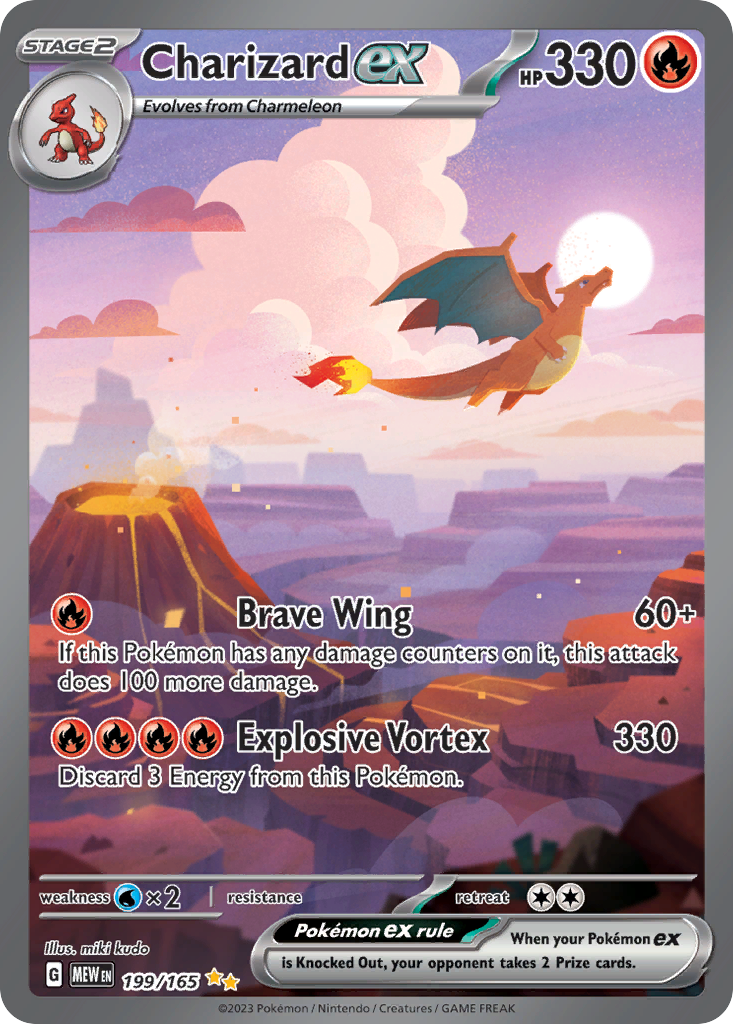
A 1999 cardboard Charizard is the reason a video game store is preparing a $46 billion takeover bid for the largest online auction site in the world.
That is not a thing that should be true. It is true anyway. The hobby has gotten that big.